Difference between pre-embossed and end-embossed materials for flexible materials
Explanation of pre-embossed and end-embossed materials for flexible materials
Pre-molded materials
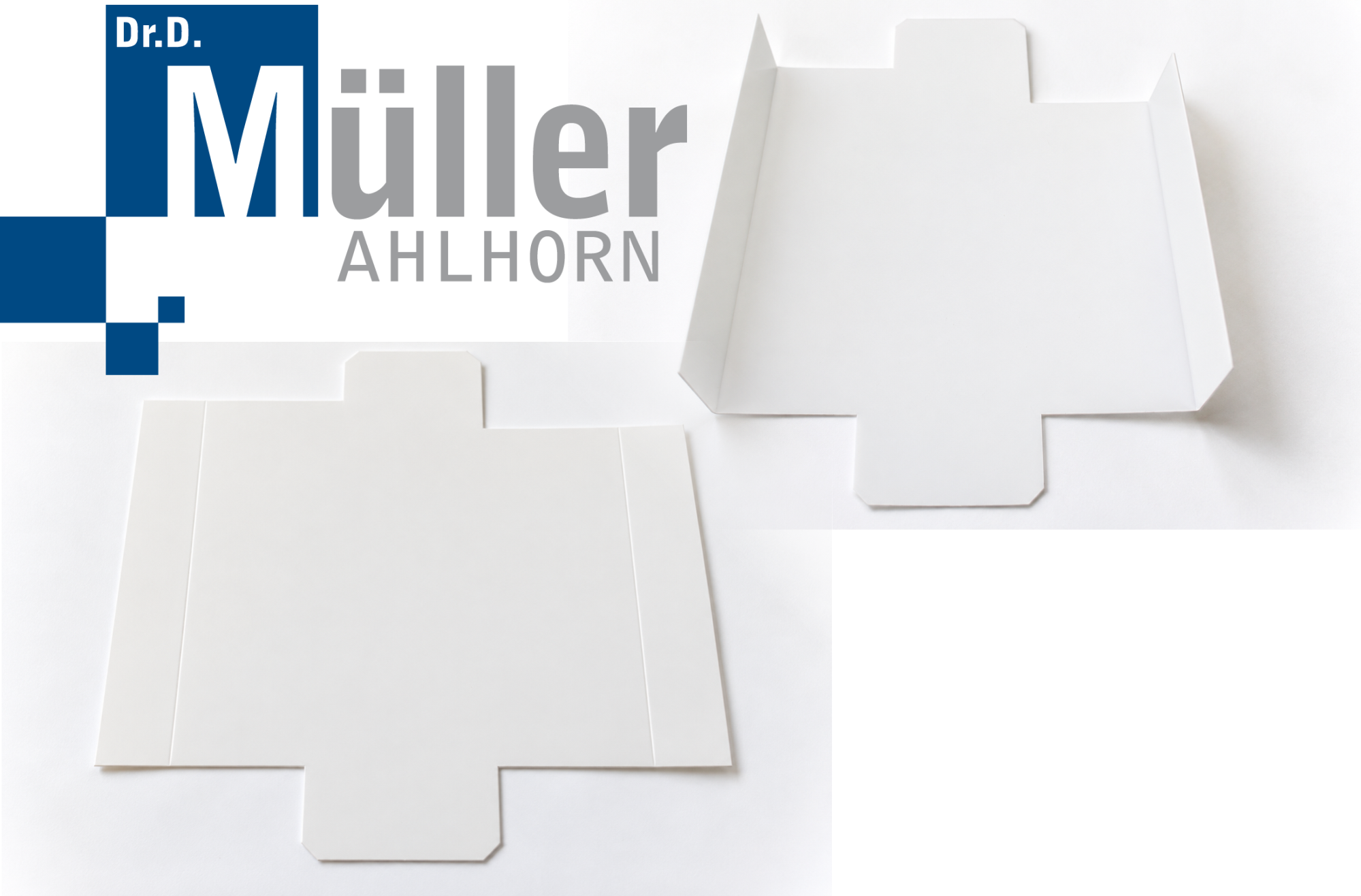
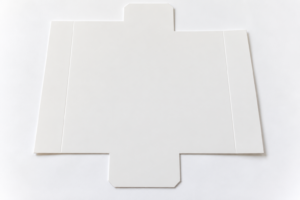
Pre-embossed materials are flexible materials or films in which folds, beads, lines or geometric structures have already been introduced in an early manufacturing step, without the final shape being fully formed.
Pre-embossing serves to prepare the material specifically for subsequent forming, folding, or assembly processes. Particularly with flexible materials, pre-embossing improves controlled deformability and facilitates defined bending edges or fold lines.
Typical characteristics of pre-molded materials:
- Fold lines or structures are already present
- The final folding or geometry is not yet complete.
- The material remains flexible and malleable.
- The embossing serves as a guide for subsequent process steps.
- Material stresses and wrinkling are reduced.
- Improved reproducibility in subsequent folding or forming processes
Typical applications:
- Flexible insulation films
- Membranes
- sealing materials
- Protectors
- Composite films
- Technical Packaging
- EMI/RFI shielding materials
For example:
A technical film is first given pre-embossed fold lines so that it can later be folded exactly along defined contours in the assembly process.
End-stamped materials
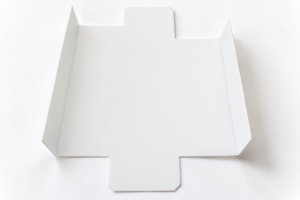
End-formed materials are flexible materials or films in which the final fold, contour, or structure has been fully formed. The material possesses its final geometry and fulfills the intended functional requirements.
In contrast to pre-embossing, no further folding or forming stage is required for end-embossed materials.
Typical characteristics of end-stamped materials:
- Final folding or geometry achieved
- Dimensionally accurate and reproducible contours
- Final material structure
- Ready for immediate assembly or use
- High repeat accuracy
- Optimized mechanical properties in the final state
Typical applications:
- Pre-folded insulating parts
- Pre-formed seals
- Flexible air ducts or membrane systems
- Protective and shielding elements
- Battery insulation systems
- Folded high-temperature films
For example:
A flexible insulating film is finally folded along the pre-embossed lines and thermally fixed, resulting in a ready-to-assemble molded part.
Difference in production
| feature | Pre-embossed | End-stamped |
| Production status | precursor | prefabricated part |
| folding | prepared | final execution |
| Geometrie | Not yet final | Dimensionally accurate final |
| Flexibility | hoch | Reduced / defined |
| Processing | necessary | Normalerweise nicht |
| Other specifications | Preparation for the forming process | End function |
| Process goals | Defined folding pattern | Finished component geometry |
Importance in flexible materials
Pre-embossing is particularly important for flexible materials because:
- Uncontrolled creases should be avoided.
- Material fatigue is reduced,
- precise bending radii are made possible
- and the subsequent assembly can be automated.
The final stamping then ensures that:
- the final component geometry remains stable,
- electrical or mechanical properties must be maintained.
and the component can be used reproducibly
Example patterns for pre- and end-stamped flexible materials
| pre-printed | end-stamped |
 |
 |
| pre-printed | end-stamped |

|

|
| pre-printed | end-stamped |
|
|

|

| pre-printed | end-stamped |
|
|
|
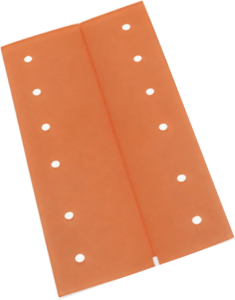
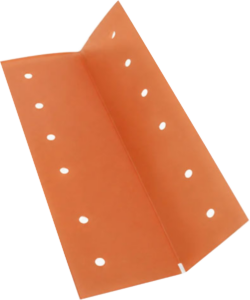
| pre-printed | end-stamped |
|
|

|